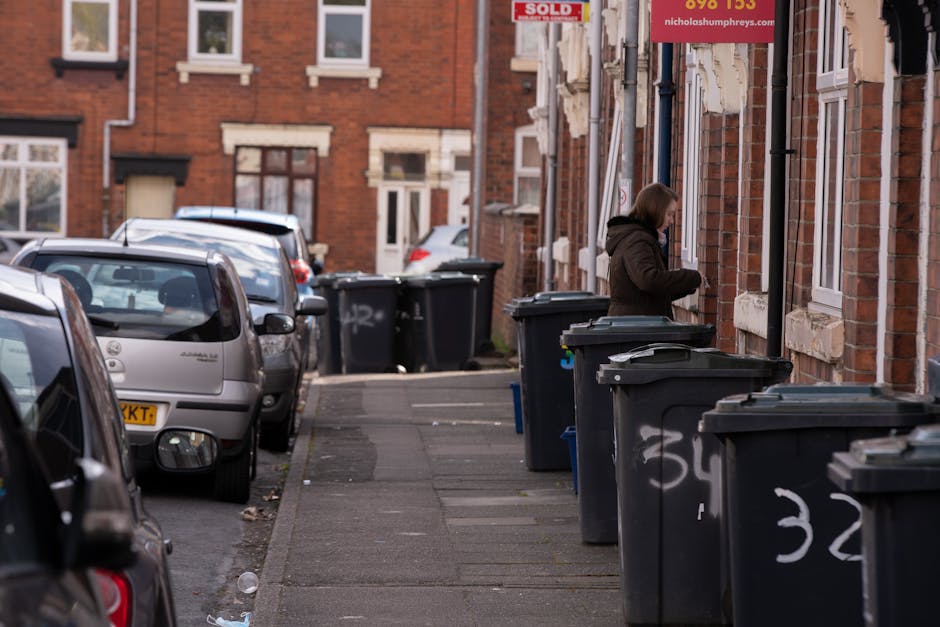
What to know about delayed rubbish collections in N22
If you live or work in N22, a delayed rubbish collection can turn a normal week into an awkward one very quickly. Bins overflow, bags get pushed to the side, and that familiar London street smell starts to creep in. Truth be told, it is never just a minor inconvenience when waste is left hanging around. It affects hygiene, kerb appeal, business routines, and sometimes even neighbour relations.
This guide explains what to know about delayed rubbish collections in N22, why delays happen, what you can realistically do next, and when it makes sense to arrange an alternative waste clearance. Whether you are dealing with household rubbish, bulky items, or business waste, the goal is the same: keep things moving without stress.
There is no need to panic at the first missed collection. But you do want a clear plan. Let's walk through it properly.
Table of Contents
- Why delayed rubbish collections in N22 matter
- How delayed rubbish collections in N22 work
- Key benefits and practical advantages
- Who this is for and when it makes sense
- Step-by-step guidance
- Expert tips for better results
- Common mistakes to avoid
- Tools, resources and recommendations
- Law, compliance, standards, or best practice
- Options, methods, or comparison table
- Case study or real-world example
- Practical checklist
- Conclusion
- Frequently asked questions
Why delayed rubbish collections in N22 matter
A delayed collection is more than a scheduling annoyance. In a busy area like N22, even a short delay can affect flats, terraces, shared houses, shops, offices, and managed properties. Waste piles up fast when several households or teams are relying on the same pick-up day. One missed round can become three full bins and a few bags leaning against the wall by the weekend. Not ideal.
The practical issue is simple: waste does not stop being waste because the truck is late. Food scraps still smell. Cardboard still gets soggy if it rains. Broken items still take up space. And if rubbish is left where it should not be, you can run into complaints from neighbours, building managers, or customers. In a commercial setting, that gets messy even faster.
There is also the local reality to think about. N22 has a mix of residential streets, apartment blocks, high-footfall routes, and businesses that may generate waste at different rates. A delay does not affect everyone equally. For a single person in a flat, it may be a nuisance. For a takeaway, salon, or office, it can create a visible problem by the end of the day.
Key point: delayed rubbish collections are worth taking seriously because the knock-on effects build quickly. A short delay can become a hygiene issue, a storage issue, and sometimes a compliance issue if waste is left in the wrong place too long.
How delayed rubbish collections in N22 work
In practical terms, a delayed collection means waste has not been removed on the expected day or within the expected time window. Sometimes the issue is with the scheduled round itself. Sometimes access is blocked. Sometimes there has been a missed collection and a follow-up is required. Other times, the waste was not collected because it was not presented correctly. That last one catches people out more often than they expect.
Most collection services operate on regular routes and times, but real life gets in the way. Traffic, vehicle faults, staffing issues, street closures, bin placement, and weather can all disrupt a planned collection. In a dense part of London, a small delay on one road can ripple into nearby streets too. You may watch a lorry go past at midday and think, "Right, they must be coming soon," and then... nothing. Annoying, yes. Rare, no.
The response path usually depends on the service involved. For a council-style collection, you typically check the missed or delayed round process and wait for the next update or rebooked visit. For a private waste clearance service, the process is often more direct: you contact the company, confirm the issue, and agree on a revised collection time. If your waste is bulky, urgent, or causing access problems, a same-day or next-day clearance can be the quickest reset.
If you are unsure whether the delay is temporary or a genuine missed collection, the safest approach is to document what happened. A simple photo, the time the bins were placed out, and a note of any reference number can help later. Nothing dramatic. Just useful evidence if you need to chase the issue.
Key benefits and practical advantages
It may sound odd to talk about "benefits" when rubbish is delayed, but there are some real advantages to dealing with it well and quickly. The biggest one is control. When you know what to do, the situation stops feeling random.
- Less odour and mess: Waste handled promptly is less likely to attract pests or create unpleasant smells, especially in warmer weather.
- Better property presentation: This matters for landlords, letting agents, cafes, offices, and anyone dealing with visitors or customers.
- Reduced neighbour friction: A tidy bin area avoids the sort of small dispute that lingers for weeks.
- Faster recovery after disruption: If the collection is missed, an alternative clearance can get things back to normal sooner.
- Less risk of overfilling containers: Once a bin is full, people start balancing bags nearby. That is where things unravel.
There is also a quieter advantage: peace of mind. You do not have to keep glancing out of the window every twenty minutes wondering whether the bins have been forgotten again. A clear process and a backup plan make the whole thing far less irritating.
If you are managing a property or business, delayed collections can also help you spot patterns. Is the problem happening after bank holidays? Is access blocked by parked cars? Are containers being put out too late? Once you see the pattern, you can often prevent the next delay before it starts.
Who this is for and when it makes sense
This topic is relevant to far more people than you might expect. If you live in a flat in N22, share a house, run a shop, manage a block, or handle office waste, a delayed collection can affect your day pretty sharply. It is especially useful to understand if your waste output is not tiny. A family with a baby, a home renovation project, or a business with packaging waste will notice the disruption fast.
It also makes sense if you are dealing with:
- Bulky rubbish that cannot sit around indefinitely, such as a broken wardrobe or old mattress
- Garden or DIY waste after weekend work
- Commercial waste that needs regular removal to keep premises safe and tidy
- Shared-bin arrangements where one missed round affects several residents
- Last-minute clearouts before a move, inspection, or event
To be fair, sometimes the right answer is simply to wait a short while and see if the collection is delayed rather than missed. But if the waste is becoming a problem, or if you need the area usable again quickly, it is sensible to look at an alternative solution rather than hoping for the best.
Think of it like this: if the delay is small and the waste is contained, you may only need patience and a quick follow-up. If the delay is already affecting access, hygiene, or operations, you need a plan B. Simple as that.
Step-by-step guidance
If your rubbish collection in N22 is delayed, do not start by moving every bag around the pavement. Start with a quick, calm check. A lot of headaches come from acting too fast without confirming the basics. Here is the cleaner approach.
- Confirm the collection day and time. Make sure you are checking the correct service and the correct schedule. Shared properties especially can be a bit fuzzy on this.
- Check whether the waste was presented properly. Were bins out on time? Were they accessible? Were items left in a place where the crew could reach them safely?
- Look for local disruption. Roadworks, parked vehicles, or temporary access issues can slow a collection round without much warning.
- Take a few simple photos. If you need to report the issue, proof of the missed or delayed state can help. Keep it factual.
- Contact the relevant service. If the collection is private, speak to the provider directly. If it is a council-related service, follow the local missed-collection process.
- Separate what can wait from what cannot. Recyclables, general waste, and bulky items may need different handling. Do not mix everything into one growing heap unless you want extra sorting later. And honestly, nobody wants that.
- Arrange an alternative if needed. If the waste is causing a problem, booking a clearance can save time and reduce mess.
A practical example: if a flat block in N22 has its communal bins missed on a Friday, and the next collection is not until the following week, the waste area can become a real issue by Sunday night. In that situation, waiting may not be the smart move. A targeted clearance or an agreed back-up collection can make far more sense.
When in doubt, act on the impact, not just the calendar. If the delay is creating a problem, treat it as a problem.
Expert tips for better results
Over time, a few habits make delayed collections easier to handle. None of these are fancy. They just work.
Keep waste easy to identify and access
Crews can only collect what they can safely reach. That means keeping bins visible, pathways clear, and bulky items arranged neatly rather than scattered. A tidy stack is much easier to deal with than a half-collapsed pile that has clearly been attacked by wind, rain, and a fox with no shame.
Do not overpack containers
Overfilled bins are a common reason collections get delayed or rejected. Lids should close, bags should be secure, and items should not be wedged in so tightly that they create a hazard. If the container is already at the limit, arrange extra capacity before the next cycle.
Separate bulky waste from regular waste
Furniture, appliances, and renovation debris need a different approach from day-to-day rubbish. Keeping them apart makes it easier to assess whether you need a special collection, a one-off removal, or a broader clearance.
Plan around peak pressure points
After holidays, move-out dates, and event weekends are often when waste volumes spike. If you live near busy areas or manage several units, build in a little buffer. One extra day of storage space can save a lot of stress.
Use a written record
If delays happen repeatedly, keep a simple log. Date, time, issue, outcome. That tiny habit can reveal whether the problem is random or recurring. It also helps if you need to escalate later.
Small but useful truth: most rubbish problems get easier once you stop treating them as isolated surprises and start treating them as a pattern.
Common mistakes to avoid
People usually make the same handful of mistakes when a collection is delayed. None of them are dramatic, but they do make the situation worse.
- Leaving waste in the wrong place: Bags on pavements or beside overflowing bins can create obstruction and complaints.
- Assuming the delay will sort itself out: Sometimes it will. Sometimes it will not. A quick follow-up is usually wiser.
- Mixing different waste types together: General waste, recyclables, and bulky items are not all handled the same way.
- Forgetting access issues: Parked cars, locked gates, or poor placement can stop a collection even when everything else is fine.
- Waiting too long to book a backup solution: If the delay is already affecting the space, it is often cheaper in stress terms to act early.
Another mistake is overreacting and booking the first thing you see without checking what you actually need. A bagged household clearout, a sofa removal, and a business waste collection are different jobs. Choosing the right option matters more than doing the loudest thing fastest. That sounds obvious, but people still trip over it.
Tools, resources and recommendations
You do not need a complicated system to manage delayed rubbish collections in N22. A few practical tools will cover most situations.
- Phone camera: Use it to record the state of the waste, bin placement, and any access issues.
- Notes app: Keep dates, times, and reference numbers in one place.
- Calendar reminder: Set the next collection date so you can check it before the bin area gets out of hand.
- Spare storage space: Even a small, dry area for temporary holding can help prevent mess spreading indoors.
- Back-up clearance option: A reliable alternative means you are not stuck waiting if the schedule slips.
If you need a broader service, it may help to look at waste removal for general rubbish, or house clearance if the issue is part of a larger declutter or move. For bulky pieces like old seating or broken bedroom furniture, mattress and sofa disposal and furniture disposal are often more suitable.
If the delay is tied to a business premises, business waste removal can be a better fit than treating it like domestic rubbish. And if the problem involves a one-off buildup in a loft, garage, or spare room, services like loft clearance or garage clearance may solve several issues at once.
You may also want to read practical guidance such as insider tips to speed up rubbish pickups and avoiding hidden costs in bulky waste item removal. Those are useful if you are trying to avoid repeat disruption or unexpected extra charges.
Law, compliance, standards, or best practice
Waste handling in the UK is not something to be casual about. Even if you are only dealing with a delayed collection, the way you store and present waste still matters. In plain English, waste should be kept safely, presented properly, and removed through a lawful route. If you are a business, your responsibilities can be more formal, especially around storage, segregation, and transfer of waste.
For households, the main concern is usually presentation and cleanliness. For businesses, there may also be expectations around duty of care, secure storage, and keeping waste from becoming a nuisance. That includes making sure it is not left where it could block access, attract pests, or create unsafe conditions for staff and visitors.
Best practice is straightforward:
- Keep waste contained and clearly separated
- Do not leave hazardous or sharp items exposed
- Use the right service for the right waste type
- Document repeat issues if collections are regularly late
- Escalate persistent problems rather than letting them drift
If hazardous waste, appliances, or confidential materials are involved, do not treat them like ordinary household rubbish. Use the appropriate route. For example, hazardous waste disposal is the safer choice for items that need careful handling, while confidential shredding is better for sensitive paperwork. That is one of those things people sometimes leave until the last minute, then regret later.
If your delay is connected to building works or renovation debris, builders waste clearance can be more appropriate than ordinary rubbish collection, and it keeps the site tidier too. Good practice is not glamorous, but it prevents bigger headaches.
Options, methods, or comparison table
When collections are delayed, you usually have a few choices. The right one depends on how urgent the waste is, what type it is, and how much space you have left. Here is a simple comparison to help.
| Option | Best for | Pros | Limitations |
|---|---|---|---|
| Wait for the next scheduled collection | Minor delays with contained waste | No extra action, no disruption | Not suitable if waste is already causing a problem |
| Report the delay and request a re-collection | Confirmed missed rounds | May resolve the issue without extra cost | Can take time, especially during busy periods |
| Book a private one-off clearance | Urgent, bulky, or overflowing waste | Fast, practical, and flexible | Usually more immediate in cost than waiting |
| Use a specialist removal service | Furniture, appliances, hazardous items, or office waste | Better suited to specific waste types | Needs the right provider for the right material |
In real life, the best option is often the one that solves the problem with the least friction. If you only have two bags and a slightly delayed collection, patience may be enough. If you have a hallway full of boxes and a guest arriving tomorrow, probably not.
Case study or real-world example
Here is a realistic scenario. A small design studio in N22 had a regular collection delayed for two days after a busy project handover. The office still looked functional at first, but by the second day the cardboard, packaging, and bin bags started building up in the corner near the kitchen area. Nothing dramatic. Just enough to make the place feel cluttered and slightly off.
The team first checked whether the collection had been missed or simply pushed back. Once it became clear that waiting would stretch into the next week, they split the waste into categories: general rubbish, recyclables, and a few broken office items. That made the next step easier. They arranged a one-off business waste collection for the immediate backlog, then reset their storage area so the next round would be cleaner and easier to manage.
The useful lesson? They did not wait until the mess became a full-blown problem. They made a quick decision when the delay stopped being "annoying" and started becoming "operational." That distinction matters more than people think.
For households, the same principle applies. If a missed collection leaves you with a couple of extra bags, fair enough. If it starts affecting the kitchen, hallway, or shared entrance, you need to act. Small delays become big ones in small spaces.
Practical checklist
Use this checklist when rubbish collections in N22 are delayed:
- Confirm the scheduled collection day and time
- Check that bins or bags were placed out correctly
- Look for local access issues or road disruption
- Take photos of the waste and collection point
- Keep any reference number or note of contact
- Separate bulky, general, and specialist waste
- Decide whether waiting is still realistic
- Book an alternative clearance if space or hygiene is becoming a problem
- Clear the route so future collections can happen easily
- Review whether the issue is recurring and needs a longer-term fix
Quick summary: check, document, separate, then act. That sequence is simple, but it saves time and a fair bit of irritation.
Conclusion
What to know about delayed rubbish collections in N22 comes down to three things: understand why the delay happened, decide whether it is a short wait or a real problem, and use the right next step for the type of waste you have. A missed collection is inconvenient, but it does not have to derail your week.
If you stay organised, keep the waste contained, and choose the correct follow-up, the whole situation becomes much easier to handle. And if the rubbish is already affecting your home, business, or shared space, do not sit with it longer than you need to. That is usually where the frustration grows. Better to sort it once and move on.
If you want a straightforward way to deal with a backlog, compare your options early and choose the one that fits the waste, the timing, and the space you have available.
Get a free quote today and see how much you can save.
A tidy space lifts the mood more than people admit. Even a small clear-up can make the whole place breathe again.
Frequently Asked Questions
Why was my rubbish collection delayed in N22?
Delays can happen for several reasons, including traffic, vehicle issues, access problems, staffing shortages, bad weather, or bins being placed out incorrectly. If it is a private service, the provider can usually tell you whether the delay is temporary or whether a new collection time has been arranged.
What should I do first if my bin was not emptied?
Check the schedule, confirm the bin was placed correctly, and look for obvious access issues. Then take a photo and contact the relevant service. A calm, factual message usually gets you further than a frustrated one, even if you are quietly fuming inside.
How long should I wait before I report a missed collection?
Wait long enough to be confident it is actually missed, not merely running behind. If the service has not arrived by the expected end of the collection window or by the next reasonable check point, report it. If waste is building up quickly, do not delay the follow-up.
Can I leave bags beside a full bin if the collection is delayed?
Only if doing so does not create an obstruction or nuisance. In many shared or public-facing spaces, loose bags can attract pests, cause odours, or lead to complaints. If the delay is longer than expected, a separate clearance may be the cleaner option.
What if bulky rubbish is causing the main problem?
Bulky items are often the easiest thing to sort separately. Furniture, mattresses, and appliances may need a dedicated service rather than waiting for a regular bin collection. If they are taking up space or blocking access, it is usually better to move them through the proper removal route.
Is a private rubbish clearance better than waiting for the next collection?
It depends on urgency. If the waste is minor and contained, waiting can be fine. If it is already affecting hygiene, access, or business operations, a private clearance is often more practical. The right choice is the one that gets the space back without creating more hassle.
What types of waste need special handling?
Hazardous items, electrical appliances, confidential paper waste, and some construction materials often need a more specific approach. Do not assume everything can be bundled together. Sorting it properly avoids safety issues and makes removal smoother.
How can I stop repeated delays from becoming a pattern?
Keep notes of each incident, check whether the issue is tied to access or timing, and adjust how the waste is presented. For businesses and larger properties, a more regular or more flexible clearance schedule can help reduce repeat problems.
Do businesses in N22 need to be more careful about delayed collections?
Yes, usually they do. Businesses can face more pressure around hygiene, storage, customer appearance, and waste duty of care. Even a short delay can become noticeable if the waste area is visible to staff or visitors. A simple backup plan is well worth having.
What is the best way to prepare for a possible delay?
Keep waste separated, use bins correctly, leave access clear, and avoid overfilling containers. It also helps to keep a small amount of spare storage space and know who to contact if the collection is late. A tiny bit of preparation saves a lot of scrambling later.
When should I book an alternative clearance instead of waiting?
Book an alternative clearance when the delay starts to affect smell, safety, space, or normal use of the property. If you are stepping around bags, managing complaints, or losing usable room, that is usually the point where waiting stops being sensible.
Can delayed collections affect landlords or managed properties?
Yes. In shared or rented properties, one missed collection can affect several residents at once and create issues for property managers too. It can also make a building look neglected, even when the delay is purely temporary. That is why quick action matters.