Flat Clearance Wood Green – Health and Safety Policy
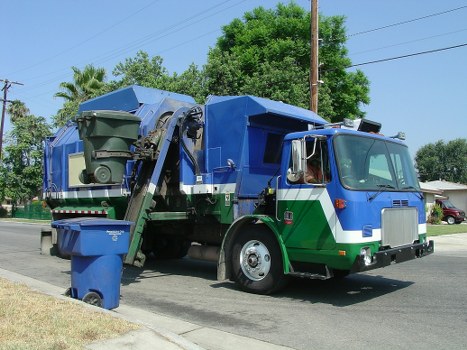 This Health and Safety policy sets out the commitment of our flat clearance and rubbish removal service to protect the health, safety and welfare of staff, contractors, clients and members of the public within our rubbish company service area. The purpose of the policy is to ensure that all waste removal and flat clearance operations are carried out with minimum risk and in compliance with applicable statutory requirements. It applies to all activities associated with flat clearance, debris handling, transportation and disposal of materials.
The policy covers responsibilities, safe systems of work, training, incident reporting and monitoring. It outlines how risk assessments are completed for each flat clearance job, how staff are equipped and trained to operate safely, and how we maintain high standards of housekeeping during and after a clearance. The approach is preventative and practical: identifying hazards, assessing risks and implementing control measures that are proportionate to the task.
 Scope: This policy relates to domestic and small commercial flat clearance services, rubbish collection jobs and associated logistics across the company’s service area. It addresses manual handling, hazardous waste segregation, sharps, electrical items, asbestos awareness (where applicable) and the safe operation of vehicles used for waste transport. The policy excludes specialist licensed hazardous waste processes that require external regulated contractors.
Responsibilities and Commitment
Management has overall responsibility for the safety management system and will ensure that adequate resources are available to implement this policy effectively. Supervisors and team leaders have day-to-day responsibility for ensuring that safe systems of work are followed on site. All employees and subcontractors engaged in flat clearance and rubbish collection activities must take reasonable care for their own safety and that of others who may be affected by their actions.
Key responsibilities include:
- Risk assessment: Carrying out and recording risk assessments for each job.
- Safe working practices: Following procedures for lifting, carrying and manual handling.
- Training: Completing required training and toolbox talks before undertaking work.
- Reporting: Reporting accidents, near misses and potential hazards promptly.
 Communication: The company will communicate health and safety matters to staff through briefings, written procedures, and visible signage on site and in vehicles. Contractors and temporary staff will be given an induction to the hazards associated with flat clearance work and the expectations for compliance with this policy. Records of briefings and inductions will be maintained.
Risk Management and Safe Systems of Work
Before commencing any flat clearance or rubbish removal task, a site-specific risk assessment will be conducted. This identifies manual handling risks, trip and fall hazards, potential for falling objects, and the presence of hazardous items such as contaminated waste or broken glass. Mitigations will include using appropriate lifting aids, suitable rubbish sacks and containers, safe storage and segregation of recyclables and hazardous materials, and the use of PPE.
Personal protective equipment is provided to all staff and must be used where required. Typical PPE for clearance jobs includes gloves, safety boots, hi-visibility clothing, eye protection and dust masks when required. The company provides equipment maintenance and replacement programmes to ensure PPE and tools remain in safe condition.
Vehicle safety: Drivers and loaders must ensure vehicles are loaded and secured to prevent shifting of items in transit. Vehicles used for waste collection will be serviced regularly and checked daily prior to use. Vehicle-safe loading procedures and traffic management on site are essential components of the rubbish collection service area safety plan.
 Training and Competence: Employees engaged in flat clearance and rubbish removal are required to complete competency-based training relevant to their role. This includes manual handling training, COSHH awareness for cleaning agents and certain contaminants, safe use of cutting tools and trolleys, and basic first-aid awareness. Regular refresher training and periodic assessments of competence are conducted to maintain standards.
Incident reporting and investigation: All incidents, however minor, must be reported promptly. The company will investigate incidents to determine root causes and implement corrective actions to prevent recurrence. Records of accidents and investigations will be retained to support continuous improvement of our safety performance.
 Monitoring, audit and review: The company will monitor compliance with this policy through site checks, vehicle checks and periodic audits. Performance indicators include number of incidents, near misses reported, completed risk assessments and training completion rates. This policy will be reviewed at least annually or more frequently if there are significant changes to operations, legislation or following a serious incident.
Health and wellbeing: The company recognises that a safe workplace includes attention to worker wellbeing. Measures to reduce fatigue and stress include sensible job rostering, adequate rest breaks during clearance operations, and support for employees returning to work following injury.
Waste segregation and environmental protection: Our flat clearance routines prioritise reuse and recycling where possible and ensure that hazardous items are segregated and handled in accordance with environmental protection requirements. Procedures are in place for the safe removal of electrical items, batteries and potentially hazardous household chemicals.
Compliance and legal framework: This policy is consistent with relevant health and safety legislation and guidance applicable to waste handling and transport operations. Managers and staff are expected to familiarise themselves with the legal duties that affect their roles and to act in accordance with the company’s procedures to maintain a safe and compliant service across the waste removal and flat clearance service area.
Continuous improvement: The company is committed to continual improvement in health and safety performance. Feedback from staff and observations from supervisors will be used to refine procedures, improve training and update risk assessments. Lessons learned from audits and incident investigations will be integrated into operational practice.
Conclusion: This Health and Safety policy is a statement of intent and a framework for action. All personnel involved in flat clearance, rubbish collection and related activities must adhere to the policy and contribute to a safe working environment. By following the procedures, using appropriate equipment and maintaining clear communication, the company aims to deliver reliable flat clearance services while protecting people and the environment.
Signed on behalf of the company: (policy owner and review date are retained within the company records). Review of this policy will be performed regularly to ensure it remains effective and applicable.