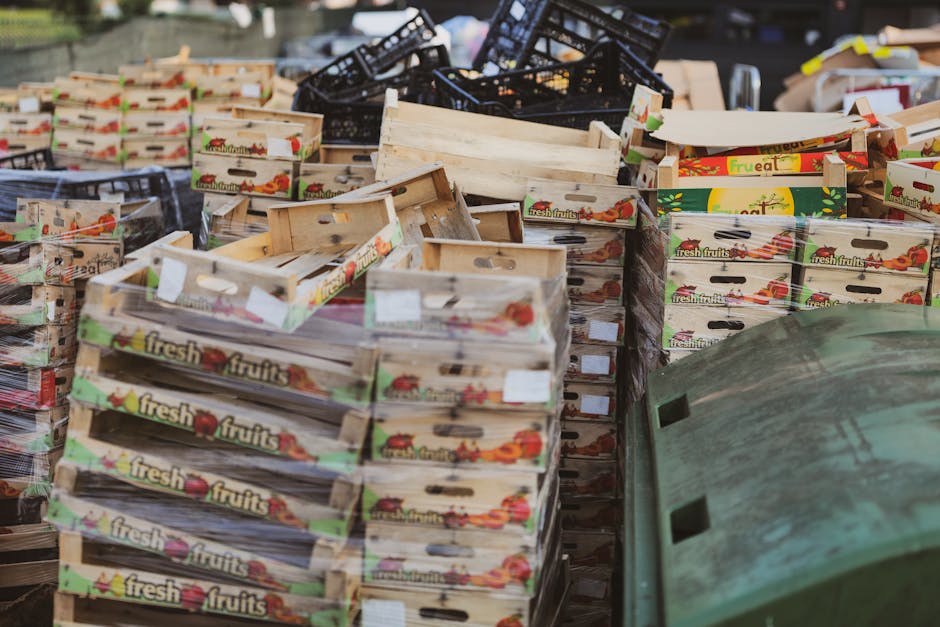
Wood Green Shopping City rubbish clearance tips
If you are trying to clear rubbish around Wood Green Shopping City, the job can feel oddly simple at first and then suddenly complicated. One minute it is just a few broken bits, the next you are dealing with boxed-up clutter, awkward furniture, and that one item you forgot was hiding behind the wardrobe. These Wood Green Shopping City rubbish clearance tips are designed to help you handle the process calmly, avoid common mistakes, and make better decisions about what to keep, what to remove, and what to recycle.
Whether you are tidying a flat, emptying a shop unit, dealing with office waste, or simply getting rid of bulky items that have been hanging around too long, the basics are the same: sort properly, stay safe, and choose the right clearance method for the amount and type of waste. Let's make it straightforward.
Contents
- Why these clearance tips matter
- How rubbish clearance works in practice
- Key benefits and practical advantages
- Who this is for and when it makes sense
- Step-by-step guidance
- Expert tips for better results
- Common mistakes to avoid
- Tools, resources and recommendations
- Law, compliance and best practice
- Options, methods and comparison table
- Real-world example
- Practical checklist
- Conclusion
- Frequently asked questions
Why Wood Green Shopping City rubbish clearance tips Matters
Shopping centre areas are busy by nature. Foot traffic, loading restrictions, tight parking, mixed-use buildings, and time pressure all make rubbish clearance a little less forgiving than a casual household tidy-up. That is why sensible planning matters more than people expect. A small mistake, like leaving items in the wrong place or underestimating the size of a load, can turn a quick clear-out into a day of hassle.
There is also the simple fact that rubbish is not one-size-fits-all. A bag of old packaging is very different from a damaged wardrobe, a fridge, or renovation waste. If you handle each category properly, you save time, reduce stress, and usually avoid paying for the wrong type of service. To be fair, that is where most people go wrong: they treat all waste as if it can just be thrown together and forgotten.
Good clearance habits also support recycling and safer disposal. If you can separate reusable items, WEEE waste, and general rubbish before collection day, the process becomes smoother. And if you are dealing with furniture or heavier household items, a service such as furniture clearance or mattress and sofa disposal may be a smarter fit than trying to shift everything yourself.
How Wood Green Shopping City rubbish clearance tips Works
The practical process usually follows the same pattern, even when the job looks different on the surface. First, you identify what type of rubbish you have. Then you separate bulky items, recyclable material, hazardous items, and anything that needs special handling. After that, you choose the most suitable removal option based on volume, access, timing, and disposal needs.
For example, a household spring clean with a few bags, a broken chair, and old kitchen bits may be manageable as a small one-off collection. A shop refit or office move is a different beast entirely. In those cases, sorting and staging waste in advance matters because the collection team needs a clean route, clear access, and a realistic idea of what will be removed.
If the waste includes old appliances, you should look into fridge and appliance removal. If it includes confidential papers or archived files, confidential shredding is a much better choice than putting documents straight into mixed waste. That kind of detail makes a real difference.
Another thing people forget: location and access affect everything. A clear path from the item to the collection point can save a lot of time. If the route is blocked by packaging, loose cables, or stacked boxes, clearance becomes slower, riskier, and frankly more annoying than it needs to be.
Key Benefits and Practical Advantages
There are several obvious benefits to approaching rubbish clearance properly, but the less obvious ones are often the most valuable.
- Less stress on the day: If everything is sorted before removal, the work feels lighter and more manageable.
- Better use of time: You avoid multiple trips, guesswork, and those awkward moments where you realise an item does not fit the plan.
- Cleaner recycling outcomes: Sorting waste in advance improves the chance that reusable or recyclable material is treated properly.
- Safer moving conditions: Clear floors and walkways reduce the risk of trips, knocks, and damaged walls.
- More accurate service selection: When you know what you have, it is easier to choose between full clearance, waste removal, or specialist disposal.
In real life, this often means the difference between a rushed, messy job and one that is pleasantly uneventful. And honestly, uneventful is good. A good clearance day should feel almost boring.
It can also improve value for money. If you avoid mixing everything together, you are less likely to pay for unnecessary handling. For larger jobs, checking pricing and quotes early helps you set expectations before anything is moved.
Who This Is For and When It Makes Sense
These tips are useful for a wide range of people. Some are clearing a single room. Others are managing a more complicated job that involves multiple waste streams. The core principles still apply.
- Residents in flats or maisonettes: Useful when stair access, communal hallways, and limited storage make rubbish awkward to handle.
- Shop owners and managers: Helpful during stock changes, refurbishments, or periodic back-room clear-outs.
- Landlords and letting agents: Ideal when tenants leave behind mixed rubbish, furniture, or general clutter.
- Office teams: Handy for desk clear-outs, old electronics, or file disposal before a relocation.
- Trades and builders: Important when dealing with builders' waste, offcuts, and packaging after a job.
If your clear-out is mostly bulky household waste, a service such as home clearance, house clearance, or flat clearance may be the most practical route. If you are dealing with a garage, loft, or office, there are more tailored options too. That is often easier than trying to force everything into one generic plan.
Sometimes the trigger is emotional as much as practical. You might be helping a relative move, sorting out a room after years of accumulation, or dealing with a deadline that has crept up on you. That happens. No shame in it.
Step-by-Step Guidance
Here is a simple process that works well for most clear-outs around Wood Green Shopping City and the surrounding area.
1. Walk through the space slowly
Do not start bagging things blindly. First, look at the whole space and identify the categories: general rubbish, bulky items, electricals, recyclable material, valuables, and anything that may need specialist disposal. A slow first pass saves time later. It really does.
2. Separate items by type
Put similar things together. Cardboard with cardboard. Furniture with furniture. General waste in one area. This is especially helpful if you need a cleaner quote or if the waste will be loaded quickly. It also makes it much easier to spot anything that should not be mixed in, such as chemicals or confidential papers.
3. Remove anything reusable
Not everything needs to be thrown away. Small tables, shelving, working appliances, or usable office items may still have life left in them. Even if they are not perfect, separating reusables before clearance can reduce waste and improve sustainability.
4. Check for specialist items
Fridges, freezers, mattresses, sofas, and hazardous materials often need separate handling. For example, if the job includes old white goods, fridge and appliance removal is the safer route. If there are materials that might be harmful or restricted, hazardous waste disposal should be treated carefully and never guessed at.
5. Measure or estimate the load
You do not need a perfect engineer's measurement. But you should know whether the job is a few bin bags, a van load, or something larger. This is one of the simplest ways to avoid confusion. If a wardrobe, mattress, and four sacks of mixed rubbish are all involved, say so clearly when arranging collection.
6. Clear access routes
Move bikes, plant pots, loose boxes, and anything else blocking walkways. If a collection team can reach items easily, the removal is usually smoother and safer. In busy places, that matters a lot. One blocked corridor can slow the entire job.
7. Choose the right service type
If you are only removing general waste, a broader waste removal service may suit. If you are clearing a particular area such as a garden, loft, garage, or office, a specialist route can be more efficient. The point is not to overcomplicate it. Just match the service to the waste.
8. Confirm timing and expectations
Think about loading time, access restrictions, and whether the work needs to happen before opening hours or after trading. Near a shopping centre, timing can make a big difference. Early planning avoids awkward surprises.
Expert Tips for Better Results
Here are the small things that make a surprisingly big difference.
- Label boxes before you stack them: "keep", "recycle", "bin", and "special" are enough.
- Keep screws, brackets, and fittings with the item: It makes dismantling quicker and less chaotic.
- Take photos of large items: Handy if you need to explain access issues or estimate space.
- Move delicate items last: It prevents accidental damage while you are clearing the bulk.
- Use sturdy bags, not flimsy ones: A bag that tears halfway down the stairs is nobody's friend.
A small trick that helps in cramped spaces: work from the back of the room towards the exit. It sounds obvious, but you would be surprised how often people start at the door and create a second mess. There is a bit of theatre to it, truth be told.
If the clearance is connected to a wider property project, it can also help to check related services such as builders waste clearance or loft clearance rather than assuming one approach fits all. That gives you a cleaner, more organised job from the start.
And a modest note from experience: people often underestimate how much faster a tidy room gets cleared. A clear walkway and grouped waste can shave off a surprising amount of time. Not glamorous, but very effective.
Common Mistakes to Avoid
Most rubbish clearance problems are avoidable. The same mistakes crop up again and again.
- Mixing everything together: This creates sorting problems and can complicate disposal.
- Leaving the worst items until last: Heavy or awkward waste should be planned first, not ignored.
- Forgetting about access: A clear quote can change if the route is tight, blocked, or hard to reach.
- Assuming every item is standard waste: Appliances, paints, chemicals, and electronics may need specialist handling.
- Not checking what can go in each container: If you plan to use a skip, read guidance on what can go in a skip before loading anything in a rush.
Another common one: people think "we'll sort it later". Later usually arrives in a panic, with dust in the air and a kettle that has somehow vanished. Better to sort before you are tired.
Also, do not overload bags or lifting points. If something feels too heavy to move safely, that is your cue to stop and rethink. A slightly slower day is still better than a strained back.
Tools, Resources and Recommendations
You do not need a huge toolkit for most clear-outs, but a few basics help enormously.
- Strong gloves: Useful for glass, splinters, dusty surfaces, and awkward items.
- Black sacks or heavy-duty bags: Best for general rubbish and light mixed waste.
- Marker pen and tape: Great for labelling categories or identifying items to keep.
- Sack truck or dolly: Helpful for heavier loads if you are moving items internally.
- Cleaning cloths and a dustpan: Handy for the final sweep after removal.
If the waste includes a sofa, chair set, or other large upholstered item, mattress and sofa disposal can simplify the job. If your clearance is spread across multiple rooms or a full property, looking at furniture disposal can also help you plan what needs to go and what can stay.
For businesses, it is worth thinking about process as well as removal. Regular back-room waste, packaging, and stockroom clutter can build up quietly. A structured approach through business waste removal is often easier than patching things together one bin bag at a time.
Expert summary: The best rubbish clearance is usually the one nobody notices. Sort early, keep access open, separate specialist items, and match the service to the waste. Simple, but effective.
Law, Compliance, Standards, or Best Practice
When rubbish clearance involves household, trade, or office waste, it is sensible to follow normal UK best practice around safe handling, proper disposal, and responsible segregation. You do not need to become a compliance expert, but you should avoid putting potentially restricted items into general waste without checking first.
For example, electrical items, fridges, and some chemical products may need separate treatment. Confidential documents should be protected rather than casually mixed with rubbish. If a job involves trade activity, make sure you are clear about what is being removed and whether any waste could fall into a specialist category. That includes builders' waste, which is often heavier and messier than people expect.
Good operators usually work with care, follow sensible health and safety practices, and manage waste with recycling and sustainability in mind. If you want to see how a company frames that approach, pages such as health and safety policy, insurance and safety, and recycling and sustainability can be useful points of reference.
There is also a practical trust angle. If you are letting someone into a property or business space, it helps to know they operate with clear terms, sensible payment handling, and transparent procedures. That is just good practice. No drama, just reassurance.
Options, Methods, or Comparison Table
Different rubbish clearance methods suit different situations. Here is a simple comparison to help you think it through.
| Option | Best for | Strengths | Watch-outs |
|---|---|---|---|
| DIY clear-out | Very small loads, light clutter | Low cost, flexible timing | Time-consuming, lifting risk, multiple trips |
| Skip hire | Ongoing or bulky waste on-site | Good for larger volumes, you load at your pace | Space needed, loading rules, permit considerations may apply depending on location |
| Professional waste removal | Mixed rubbish, bulky items, busy schedules | Fast, convenient, less physical effort | Needs a clear brief and access planning |
| Specialist disposal | Appliances, mattresses, hazardous items, confidential waste | Better handling and safer disposal | Must be matched to the item type |
If you are deciding between these, think less about what sounds cheapest and more about what will actually finish the job with minimal fuss. A small flat clearance can be quicker and simpler with a collection team, while a longer project may suit a skip if you have room and can manage loading steadily.
For extra context on container use, the page about what can go in a skip is a useful planning aid before you commit to a method.
Case Study or Real-World Example
Picture a busy Saturday morning near Wood Green Shopping City. A small retail unit is closing for refit, and the back room is full of broken shelving, packaging, a few old display items, and a pile of mixed rubbish that has grown for months. Nothing shocking. Just a lot.
The manager starts by separating cardboard, reusable shelving, broken furniture, and anything electrical. A staff member clears the path from the back room to the loading point. The fridge in the stock area is flagged separately, because nobody wants that bundled in by mistake. The old paperwork is boxed for secure destruction rather than left in a heap. Simple choices, but they change the whole mood of the job.
By the time removal begins, the team knows what is going, what is staying, and what needs specialist handling. The result is a calmer clearance, less disruption to nearby trading, and a much tidier space at the end. Not magic. Just preparation.
That is the real lesson here: rubbish clearance gets easier the moment you stop treating it as one giant pile.
Practical Checklist
Use this quick checklist before collection day.
- Walk through the space and identify all waste categories.
- Separate general rubbish, furniture, electricals, and specialist items.
- Remove anything you want to keep or donate.
- Bundle similar items together where safe.
- Clear corridors, stairways, and loading access.
- Check whether any item needs special disposal.
- Estimate the volume of waste realistically.
- Confirm timing, access, and any building restrictions.
- Set aside documents for secure shredding if needed.
- Do a final sweep for loose screws, glass, or small debris.
That last sweep matters more than people think. The room can look finished and still have small hazards under a chair or behind a bag. Easy to miss, easy to fix.
Conclusion
Good rubbish clearance around Wood Green Shopping City is mostly about judgement. Know what you have, separate it properly, keep access clear, and choose a method that suits the real job, not the idealised version in your head. If you do that, the whole process becomes cleaner, safer, and far less stressful.
Whether you are handling a household tidy-up, a furniture removal, a shop clear-out, or a more awkward mixed load, these tips should help you stay organised and avoid the usual headaches. Small decisions made early usually save the biggest headaches later. That's the truth of it.
If you are planning a bigger clearance and want to compare your options, it may help to review pricing and quotes alongside the most relevant service pages before you book anything. A little planning now can save a lot of effort later.
Get a free quote today and see how much you can save.
Frequently Asked Questions
What is the best way to start rubbish clearance near Wood Green Shopping City?
Start by sorting the waste into clear groups: general rubbish, furniture, electrical items, reusable goods, and anything that needs special handling. That first sort makes every other step easier.
Can I mix all my rubbish together in one pile?
You can, but it is usually a bad idea. Mixed waste is harder to handle, may need extra sorting, and can create problems if there are items that should be disposed of separately.
What should I do with old appliances during a clearance?
Old appliances are best handled through a dedicated appliance removal route, especially for fridges and freezers. That helps avoid safety issues and makes disposal more appropriate.
Is skip hire better than waste removal for a shopping-area clear-out?
It depends on space, timing, and the type of waste. Skip hire can suit ongoing projects, while waste removal is often easier for bulky mixed loads or jobs where you want the waste gone quickly.
How do I know if I need specialist disposal?
If the item is electrical, hazardous, oversized, or confidential, specialist disposal is often the safer choice. Sofas, mattresses, and fridges are common examples where a specific service is usually better.
What is the biggest mistake people make with rubbish clearance?
The biggest mistake is leaving everything until the last minute. That is when waste gets mixed up, access becomes messy, and the job takes longer than it should.
Can rubbish clearance help with a flat or office move?
Yes. In fact, it is often one of the most useful parts of a move. Clearing waste before relocation keeps the process cleaner and reduces what has to be packed or transported.
What should I do with confidential papers?
Keep them separate from general waste and use a secure shredding option. That is a simple, sensible step if you are clearing a home office or business premises.
How can I make a clearance safer?
Wear gloves, clear walkways, avoid overloading bags, and move heavy items carefully. If something feels too awkward to lift, stop and get help rather than forcing it.
Are there good ways to reduce waste during clearance?
Yes. Separate reusable items, recycle what you can, and avoid sending everything to general waste by default. That approach is usually better for both cost and sustainability.
What if I have builders' waste as well as household rubbish?
Keep it separate where possible. Builders' waste tends to be heavier and more abrasive, so a service designed for that type of load is often more practical.
How far in advance should I plan the clearance?
For a simple job, a short lead time may be fine. For larger or mixed loads, it is better to plan early so you can sort items properly and confirm access details without rushing.
If you want a practical next step, review the relevant service pages, think through the waste categories, and then book when you are ready. A calm, tidy plan beats a frantic one every time.